God wants something for you, not from you
A wealthy man with no heirs gave three friends — a doctor, a pastor and a lawyer — $100,000 each in cash and made them promise to drop it in his casket. After the funeral, the doctor confessed he had given $75,000 to a cancer hospital and put in only $25,000. The pastor admitted he had given $90,000 to an orphanage. The lawyer was outraged: he had put in the full $100,000 — as a check. We're all good at finding loopholes that make us feel justified.
Hunters sometimes trap monkeys with a jar holding a banana. The monkey reaches in, grabs the fruit, and can't pull its fist out — but it won't let go, so it's caught. We do the same when we clutch at life and try to control it instead of opening our hands.
Let's be clear: this isn't a call to manipulation. Cornerstone doesn't teach "send $1,000 and God will send you $10,000." That turns faith into a casino. We don't give to get; we give because God first gave to us. You don't have to tithe — you get to. And you can follow every rule and still miss the heart.
The rich young ruler
Mark 10 describes a man any parent would be thrilled to have their daughter bring home: young, wealthy, well-educated, influential and devout. He ran to Jesus — undignified for a man of his status — and knelt before Him. "Good Master, what shall I do that I may inherit eternal life?" When Jesus listed the commandments, he answered sincerely that he had kept them all since his youth.
"Then Jesus beholding him loved him, and said unto him, One thing thou lackest: go thy way, sell whatsoever thou hast, and give to the poor, and thou shalt have treasure in heaven: and come, take up the cross, and follow me" (Mark 10:21). Jesus looked at him with self-giving love, not anger — the same way He looks at you. The problem wasn't the man's wealth itself; it was what held first place in his heart. He went away sorrowful, "for he had great possessions." His hand was stuck in the jar.
The disciples were stunned when Jesus said, "It is easier for a camel to go through the eye of a needle, than for a rich man to enter into the kingdom of God" (10:25). In their culture, wealth was seen as a sign of God's favor. (And no, there was never a small gate in Jerusalem called the Eye of the Needle. Jesus meant a sewing needle — something impossible.) "With men it is impossible, but not with God: for with God all things are possible" (10:27).
It's easy to assume Jesus was talking about other people. But by global standards, most Americans are among the wealthiest people who have ever lived. A friend from a developing country who serves in street ministry here says people in her home country would love to have what many homeless Americans have. We have so much stuff we rent storage units for it. Jesus' warning is for us.
You can't serve two masters
"No man can serve two masters: for either he will hate the one, and love the other; or else he will hold to the one, and despise the other. Ye cannot serve God and mammon" (Matthew 6:24). Mammon is the Aramaic word for wealth, and in Jesus' words it becomes a rival master — money with a spirit on it. Mammon whispers that you never have enough. It fights trust, generosity and surrender, and it always says: trust me, not God.
God insists on first place not because He's insecure, but for your good. When we live for ourselves, we consume ourselves from the inside out. We weren't designed to live that way. Your true wealth isn't your bank account; it's your heart account. You can have everything and still have nothing of meaning or purpose.
A traveler dying of thirst in the desert found a pump with a jar of water beside it and a sign: pour this water in first to prime the pump, then drink all you want and refill the jar for the next traveler. He could drink the little he had and trust himself, or pour it out and trust the promise. What you thirst for most, you'll give to first. What you give first shows who you trust most.
Is tithing still for today?
A tithe is ten percent. Some say it was only part of the Old Testament law. But tithing appears before the law: Abel brought the firstlings of his flock, Abraham gave a tenth to Melchizedek, the priest-king of Salem who brought out bread and wine, and Jacob vowed to give God a tenth of everything. Under the law, "all the tithe... is the LORD's" (Leviticus 27:30). Proverbs says, "Honour the LORD with thy substance, and with the firstfruits of all thine increase" (Proverbs 3:9) — the first and best, not the leftovers.
The New Testament doesn't lower God's standards; it raises them. Jesus said hatred is murder in the heart and lust is adultery in the heart. And when He rebuked the Pharisees for tithing their herbs while neglecting justice, mercy and faith, He added, "these ought ye to have done, and not to leave the other undone" (Matthew 23:23). Jesus affirmed tithing.
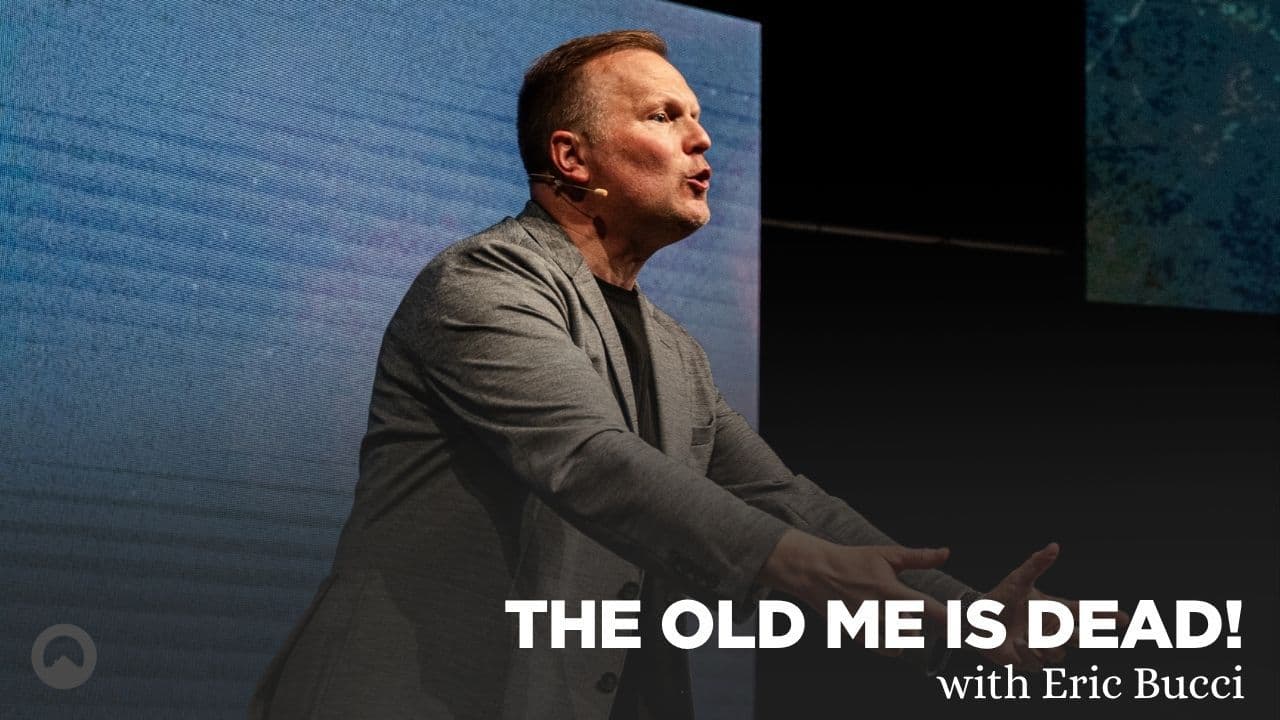
Pastor Eric illustrates with ten dollar bills. If you pay the mortgage, insurance, groceries, streaming services and car payment first, there's nothing left. But if you give the first ten percent to God, you find that He meets your needs. When he was twelve, his father walked away from a church that wanted him to compromise the gospel, with no job lined up. His parents kept giving generously. Unexpectedly, they received a gift that allowed them to buy a house. Years later, when Cornerstone built its building, Pastor Eric and Sandra gave sacrificially beyond their tithe for three years, and extra income kept arriving from places they didn't expect.
From scarcity to generosity
There are two cycles. In the scarcity cycle, God supplies, we consume, we run short, and we live in fear. Our culture worships wealth and spends more than it makes. In the generosity cycle, God supplies, we give, God multiplies, and our faith grows. Spend less than you make, or you become a slave to the world's economic system. As Pastor Jack Hayford taught, the tithe is returned to God in faith, not fear.
"Will a man rob God? Yet ye have robbed me. But ye say, Wherein have we robbed thee? In tithes and offerings... Bring ye all the tithes into the storehouse, that there may be meat in mine house, and prove me now herewith, saith the LORD of hosts, if I will not open you the windows of heaven, and pour you out a blessing, that there shall not be room enough to receive it" (Malachi 3:8, 10). It's the one place Scripture invites us to test God. The curse isn't God lashing out; it's what happens when we keep our fist in the jar and miss His blessing. And the promise is provision for need, not greed: "my God shall supply all your need according to his riches in glory by Christ Jesus" (Philippians 4:19).
Generosity is a lifestyle. Givers give to bless; takers give to get. Walk into a room wanting to make it better. In marriage, two givers flourish while two takers drain each other. At work, do more than what's asked. The world doesn't owe us anything. A longtime board member once looked around his family at a holiday dinner and said he was the wealthiest man in the world. That's true blessing.
We are stewards, not owners. God wants first place in your heart; you cannot serve both God and money; the first belongs to Him; and returning the first moves us from scarcity to generosity. Open your hand, and trust Him.
Key Scriptures
Then Jesus beholding him loved him, and said unto him, One thing thou lackest: go thy way, sell whatsoever thou hast, and give to the poor, and thou shalt have treasure in heaven: and come, take up the cross, and follow me.
It is easier for a camel to go through the eye of a needle, than for a rich man to enter into the kingdom of God... With men it is impossible, but not with God: for with God all things are possible.
No man can serve two masters: for either he will hate the one, and love the other; or else he will hold to the one, and despise the other. Ye cannot serve God and mammon.
Woe unto you, scribes and Pharisees, hypocrites! for ye pay tithe of mint and anise and cummin, and have omitted the weightier matters of the law, judgment, mercy, and faith: these ought ye to have done, and not to leave the other undone.
Honour the LORD with thy substance, and with the firstfruits of all thine increase.
Bring ye all the tithes into the storehouse, that there may be meat in mine house, and prove me now herewith, saith the LORD of hosts, if I will not open you the windows of heaven, and pour you out a blessing, that there shall not be room enough to receive it.
Questions to Reflect On
- Where might your hand be stuck in the jar — holding on to something God is asking you to release?
- What do you thirst for most? Does the way you spend the first of your income reflect that?
- Which cycle describes your finances right now: scarcity or generosity? What's one step toward the other?
- If you don't tithe yet, what would it look like to start, in faith rather than fear?
Wrestling with this? You don’t have to do it alone.
Our pastors would love to pray with you, answer your questions, or just listen.